Biting Gold Coins: Old Style of Confirming Whether Gold is Real or Not

Biting Gold Coins: Testing in the Old Days Many people are curious to know why in the old days it was common to bite gold coins - or other kinds of items made of gold - to confirm whether or not they…
Biting Gold Coins: Testing in the Old Days
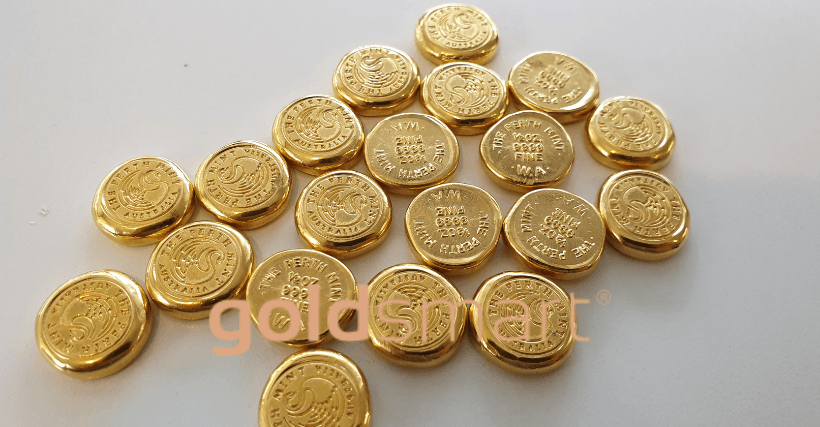
Many people are curious to know why in the old days it was common to bite gold coins - or other kinds of items made of gold - to confirm whether or not they were real. This practical and crude method was used for the authentication of gold since this metal is very malleable. Thus, it was easily recognized if certain objects, especially the coins as payment or compensation for any service, were made with this metal or just looked like it was. If a person bit a coin and verified that the bite mark was printed in the currency, this meant that the money was real (or soft enough to be gold).Modern Methods of Gold Coin Testing
Today the practice of biting gold coins seems unhygienic and imprecise. However, centuries ago the technology and processes to accurately determine gold purity were not available to the average person - making identification of real gold a genuine concern. Modern methods to confirm if jewellery is real gold or fool's gold is by checking for hallmarks and gold stamps. These are required by law in most countries and will show the gold purity, for example, 18k means that the piece has 75% of gold. Gold is also non-magnetic meaning if you put a strong magnet close to the item it won’t be attracted to it. Another test some people perform is rubbing the gold item on a smooth white wall. If it is real gold the wall will have a dark mark. But who wants to risk damaging their wall or even their jewellery?