How to Sell Gold Sovereigns and Get the Fairest Offer in New Zealand
Check Your Gold Sovereign Collection If you own gold sovereigns, you might be tempted to sell them for good reason. Though these coins are quite beautiful, they are also worth decent money. Gold…
Check Your Gold Sovereign Collection
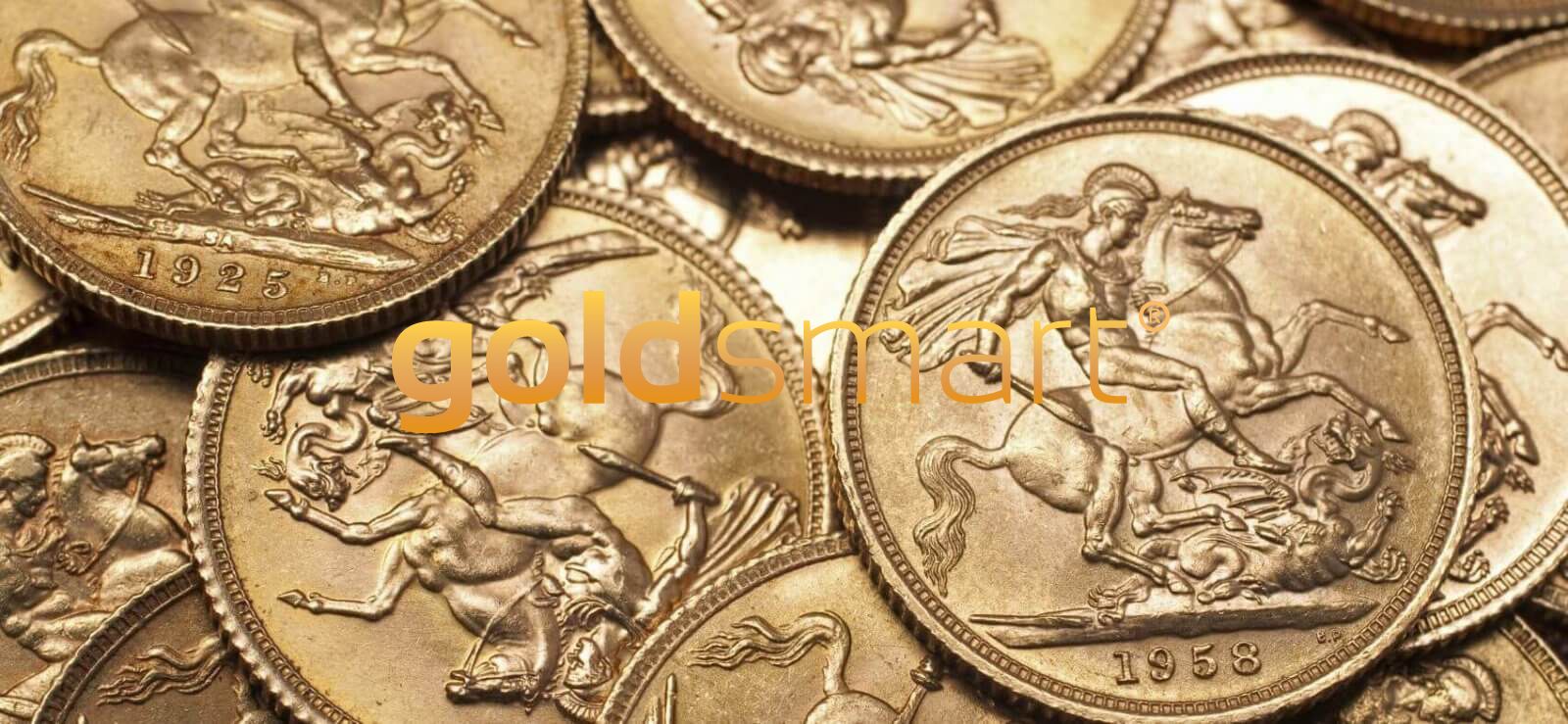
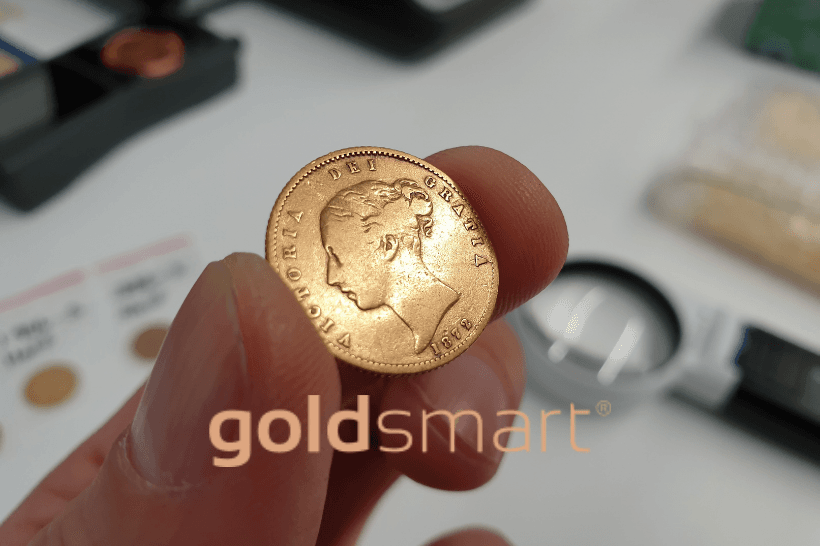
If you own gold sovereigns, you might be tempted to sell them for good reason. Though these coins are quite beautiful, they are also worth decent money. Gold sovereigns have a nominal value of a single pound sterling throughout the United Kingdom. Gold sovereigns are currently relied upon as bullion coins and are also used for jewellery. If you are looking to make some quick money, don't let those old gold sovereigns collect dust in a storage compartment in your closet. This is especially true for owners of the more valuable sovereigns. In particular, the British Edward VIII sovereign is worth quite the tidy sum of money. These coins are available in very limited quantities as production was shut off once Edward VIII relinquished his position on the throne. If your family has held onto gold sovereigns for decades or longer, it is worth taking a look at your collection just in case you happen to have one of these ultra-rare pieces. A British Edward VIII sold a few years ago for over £500,000. Even if you don't have a highly-coveted gold sovereign, you can still sell your sovereigns to Gold Smart for good money.Gold Sovereign History
Gold sovereign minting was in full gear up until a government-issued shut down in 1604. Production later resumed in 1817. The Coin Act of 1816 dictated exactly how much gold could be used in gold sovereigns. About 113 grains of gold were permitted to be used in each gold sovereign. Gold sovereigns were minted according to this standard for the next century until being halted once again in 1817. Minting resumed in 1925, was halted yet again and production later resumed in 1957. Gold sovereigns have been minted from this point on forward without interruption. Though gold sovereigns have been minted in countries like Australia, South Africa, and Canada, modern-day minting is strictly limited to the Llantrisant, Wales Royal Mint. The gold sovereigns produced at this mint are generated in a special precious metal space that is completely sealed off from the other portions of the facility. Part of the British government's motivation for resuming the production of gold sovereigns in 1957 was to combat counterfeiting operations in Italy and Syria. There was also concern that the coin would lose its reputation unless minting resumed. Many still used gold sovereigns to make payments at this point in history. It was quite common to rely on these coins as a form of payment for services provided by the government. It is worth noting that the date on these coins is a reference to the year its die was created. This means the date on your gold sovereigns is not an accurate indication of the year in which it was struck. The Mint has also been known to strike these coins with a previous year's date or even with the date of the upcoming year. Aside from regular gold sovereigns, half sovereigns were also been struck for circulation purposes. Though two-pound double sovereigns, five-pound quintuple sovereigns, and ten-shilling half sovereigns were also struck, they were never dispersed into circulation. The sovereign series received a new coin in 2009 when The Royal Mint issued a quarter-sovereign piece.