Silver Hallmarks: Regular vs. Sterling Silver
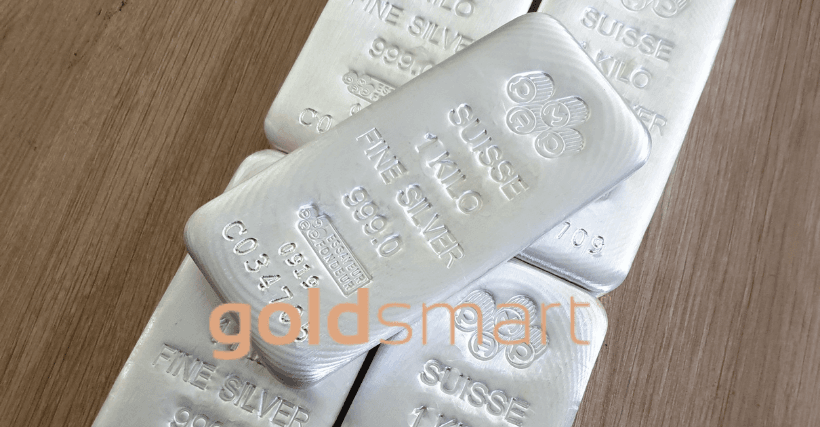
Just like with any other precious metal, there is a difference between quality versions of silver. There can be low-grade junk silver as well as high quality, fine purity silver. Understanding the…
Just like with any other precious metal, there is a difference between quality versions of silver. There can be low-grade junk silver as well as high quality, fine purity silver. Understanding the difference helps avoid precious metal investing mistakes that can be common. For example, just because someone gets their hands on a silver American dime or quarter doesn’t mean they can then measure it against the spot market value of silver. Unlike the Sterling silver that the spot market is based on, the silver used in many American coins is definitively junk silver, mixed with other metals. If one is lucky, the coins are about 80 percent industrial silver. Ergo the easy confusion people can get into when trying to find silver coins for value protection.
Sterling Silver Notations and Hallmarks
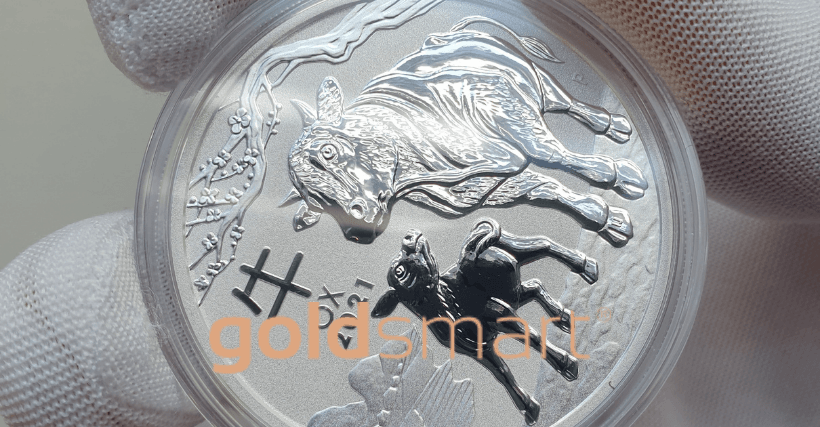
Sterling silver represents a high-grade quality level of silver often used in jewellery, fine dining tableware, and government mint coin and bullion bar issues. Coded with the word “Sterling,” or the code “925”, these pieces or bullion forms are made with a silver content that is over 92 percent pure. A bit of other metal is mixed in for strength and durability, usually in the form of copper, nickel or zinc. Otherwise, the 100 percent pure silver version would be highly fragile, easy to bend and dent, as well as break. Because this quality level provides a combined benefit of high gloss, metal-free of contaminants and worth, 925 silver is regularly used for jewellery production. The strength also allows for easy workmanship because the mixture can handle reheating and folding. Pure silver does not do so well in the annealing process, often becoming fragile at the molecular level. However, another factor that folks have to consider with silver is that no matter how high the quality, it will dull with age and no polishing. This is simply part of the oxidation effect that starts to impact the minor amount of other metals mixed into Sterling silver. Lower quality silver sees it to an even greater degree with higher amounts of other metals involved.
How to Identify Junk Silver
Note, junk silver will sell, but just not for as much in recycling prices. Where did junk silver come from? Generally, generally governments were still using precious metals in the form of silver for coin and value representation in their currency. This practice dates back centuries. However, unlike the earlier years, by the time coin currency reached the 20th century, the production was highly contaminated with cheaper metals becoming a greater and greater portion of the mixture. There simply wasn’t enough silver going around to meet demand without being costly. And cheaper metals visually mixed in just fine with silver for the general appearance. So, nickel and zinc started becoming a go-to metal additive, and eventually, silver was phased out of currency coins altogether. Many governments stopped using precious metals in coins by the 1950s and 1960s.Extremely Fine Silver
In high-quality jewellery, the silver content is beyond that of Sterling and reaches an almost 100 percent quality level. Know in the industry as 999 or three-nines, fine jewellery silver has an amazing lustre but it is also very fragile and can break easily. The purity level makes it almost impossible to work with this silver more than once, and most jewellery forms are poured and finalized in casting as a result. No surprise, this kind of silver is only used in mint-issued bullion for collecting purposes and necklaces, bracelets or earrings that don’t require stress or durability to wear. These pieces can be easily scratched as well. On the other hand, high-purity silver doesn’t dull or corrode and maintains its gloss and shine for years upon years without change. Given the nature of fine silver and its reputation, this kind of precious metal in jewellery form tends to be marked up heavily by the jewellery industry, often far more than the metal is actually worth even on the spot market. Anyone buying fine silver for the purposes of investment or expecting a big return from silver jewellery is going to be in for a rude surprise, realizing too late that the money spent was pure profit overhead and had nothing to do with the actual value of the metal sold, even in crafted form.